Objective
This guide explains bookkeeping for small businesses in NZ in clear, simple language. It is written for owners, sole traders, contractors, and new founders who want better control of their money. Good bookkeeping shows what came in, what went out, what tax may be due, and whether the business is moving in the right direction. Prudential Accounting & Taxation works with small business owners who need bookkeeping, tax, payroll, cloud accounting, and practical business support. The firm also provides reliable Gst filing services auckland businesses can depend on, helping clients stay compliant, manage GST obligations accurately, and avoid costly filing mistakes.
Key Takeaways
- Bookkeeping is the daily record of business money.
- Good records make tax time easier.
- New Zealand businesses must keep clear business records for at least seven tax years, including electronic records.
- GST becomes compulsory when taxable supplies are at least $60,000 in the last 12 months, or expected to reach $60,000 in the next 12 months.
- IRD confirms that a business must register for GST if taxable activity turnover was at least $60,000 in the last 12 months or is expected to be at least $60,000 in the next 12 months.
- Cloud accounting software can save time, but only when bank feeds, GST settings, invoice categories, and user access are set up correctly.
- Clean books support better business decisions.
Table Of Contents
- Why Bookkeeping For Small Businesses NZ Matters
- What Bookkeeping Means In Real Life
- Records Every Small Business Should Keep
- GST, Payroll, And Tax Basics
- Bookkeeping For Startups
- Business Bookkeeping Tips
- When To Use Bookkeeping Services NZ
- FAQs
Why Bookkeeping For Small Businesses NZ Matters
Many owners start with skill and energy. They know their work well. They can serve customers, manage staff, and solve daily problems. But money records often get left until later.
That is when stress starts.
You may not know which invoices are unpaid. You may forget small expenses. You may mix personal and business spending. You may reach tax time with receipts, bank statements, and no clear order.
Bookkeeping for small businesses in NZ is not only about rules. It also shows your cash flow. Cash flow is the money moving in and out of the business. A business can make sales and still struggle if bills arrive before customers pay.
Good bookkeeping helps you see problems early.
What Bookkeeping Means In Real Life
Bookkeeping means recording each business transaction in the right place. A transaction can be a sale, bill, wage payment, bank fee, refund, loan payment, or purchase.
A simple system should show:
- Who paid you
- Who you paid
- What the payment was for
- Which invoices are unpaid
- Which costs are business expenses
- How much tax or GST may need to be set aside
The system does not need to be fancy. It needs to be clear and used often.
Records Every Small Business Should Keep
Inland Revenue expects business records to be kept throughout the year and held for at least seven tax years. Records should show income, expenses, sales, purchases, and bank activity.
Useful records include:
- Sales invoices
- Supplier bills
- Receipts
- Bank statements
- Payroll records
- Vehicle logbooks
- GST returns
- Contracts and agreements
Digital records are fine when they are clear, complete, and easy to find. Do not rely on memory. One missing receipt may not matter much. Many missing records can create real trouble.
GST, Payroll, And Tax Basics

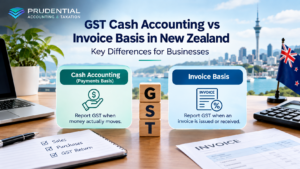
GST is a 15 percent tax on most goods and services in New Zealand. A business must register for GST if taxable activity turnover was at least $60,000 in the last 12 months, or is expected to reach that amount in the next 12 months.
If you are GST registered, your books need to be tidy. You must track GST collected from customers and GST paid on business purchases. You also need to file GST returns on time. Payroll needs care, too. If you employ staff, you must keep wage records and handle deductions correctly. If you employ staff, payroll records need to cover wages, PAYE, KiwiSaver obligations where applicable, leave, deductions, and payment dates.
Good bookkeeping stops you from guessing. It also helps your accountant prepare tax returns with fewer delays.
Bookkeeping For Startups
Bookkeeping for startups should begin before the business gets busy. Many new owners open a business account, start taking payments, buy stock, and promise to sort the records later.
That creates messy books from the start.
A startup should set up:
- A separate business bank account
- A clear invoicing process
- A simple expense system
- A receipt folder
- Accounting software
- A GST plan
- A monthly review habit
Early records help when applying for funding, buying stock, hiring staff, or checking whether the business model is working.
Good bookkeeping does not guarantee success, but poor bookkeeping can hide cash flow problems until they become expensive.
Business Bookkeeping Tips For Better Cash Flow
The best business bookkeeping tips are simple. They work because they are easy to repeat.
First, separate personal and business money. Mixing both makes every report harder to trust.
Second, record transactions weekly. Waiting three months creates mistakes.
Third, send invoices quickly. A late invoice often becomes a late payment.
Fourth, follow up on unpaid invoices with polite reminders.
Fifth, put money aside for GST and income tax. That money is not spare cash.
Sixth, review your numbers each month. Check profit, unpaid invoices, bills due, and bank balance.
Small habits save hours later.
When To Use Bookkeeping Services NZ
Some owners can manage basic records themselves. That may work for a simple business with few transactions.
Help becomes useful when the business grows, hires staff, registers for GST, manages stock, works with contractors, or needs regular reports. Professional bookkeeping services in NZ can also help when the owner feels behind, unsure, or too busy to keep the records clean.
At Prudential Accounting & Taxation, bookkeeping can sit alongside tax preparation, cloud accounting, payroll, financial planning, and business advisory support. This keeps the numbers more connected.
A bookkeeper or accountant can help with:
- Setting up software
- Coding transactions correctly
- Reconciling bank accounts
- Preparing GST reports
- Keeping payroll records
- Cleaning old records
- Preparing useful reports
The goal is not just neat records. The real goal is better control over cash flow, tax planning, and business decisions.
Common Bookkeeping Mistakes To Avoid
Small mistakes become large stress when they repeat.
Avoid these habits:
- Using one bank account for everything
- Forgetting cash sales
- Losing receipts
- Ignoring unpaid invoices
- Not saving for tax
- Guessing GST amounts
- Waiting until year-end
- Not backing up files
Record it when it happens, not when you finally remember it.
Take Control of Your Business Finances Today
Accurate bookkeeping is the foundation of every successful business. At Prudential Accounting & Taxation, we help New Zealand business owners stay organised with professional bookkeeping, GST returns, payroll management, cloud accounting, and tax compliance services. Whether you’re a startup, sole trader, or established company, our team can help you save time, reduce stress, and gain greater confidence in your financial decisions.
Schedule Your Free ConsultationFAQs
What Is Bookkeeping For Small Businesses NZ?
It is the process of recording income, expenses, invoices, bills, GST, payroll, and bank activity for a New Zealand small business.
How Often Should Small Businesses Update Their Books?
Weekly is a good habit for most small businesses. Monthly may work for very simple businesses, but waiting longer can create errors.
Do Startups Need Bookkeeping From Day One?
Yes. Bookkeeping for startups should begin as soon as money is spent or received. Early records keep the business cleaner.
What Records Should I Keep for Taxes?
Keep invoices, receipts, bank records, payroll records, GST records, contracts, and proof of business income or expenses.
Can I Do Bookkeeping Myself?
Yes, if your business is simple and you understand the basics. As the business grows, support can save time and reduce mistakes.
When Should I Register For GST?
You must register when you expect taxable supplies of $60,000 or more in 12 months. You can also register earlier if it suits your business.
Are Bookkeeping Services NZ Worth It?
They can be worth it when they save time, reduce stress, improve records, and help you understand your numbers better.
Conclusion
Bookkeeping is not just admin. It is the foundation of a healthy business. Clean financial records help you manage cash flow, prepare for taxes, track profitability, and make informed business decisions.If your books feel messy, start small. Separate personal and business finances, save receipts, send invoices on time, and review your numbers regularly. When things become unclear, professional support can make a significant difference. Prudential Accounting and Taxation supports small business owners with reliable bookkeeping, tax compliance, cloud accounting, payroll services, and practical financial guidance tailored to their needs.
“Keep your books clear today, so your business decisions feel easier tomorrow.”